Carpet Cleaning
 Upholstery Cleaning
 End Of Tenancy Cleaning
 Domestic Cleaning
 House Cleaning
 Office Cleaning


Deep cleaning near Lambeth Palace SE1 for period homes
Posted on 15/05/2026
If you live in a period property near Lambeth Palace, you already know the charm comes with a bit of character. High ceilings, original floorboards, sash windows, old fireplaces, ornate cornices - lovely, yes, but they also collect dust in places a quick weekly clean simply misses. That is exactly where deep cleaning near Lambeth Palace SE1 for period homes makes a real difference.
This guide breaks down what a proper deep clean involves, why older homes need a more careful approach, how the process works, and what to look for if you are comparing local cleaning options. Whether you are preparing for guests, catching up after a busy few months, or getting a house ready for sale or a move, the aim is the same: a cleaner home without upsetting the fabric of the property. Truth be told, older homes reward care more than brute force.
You will also find practical steps, common mistakes, a useful checklist, and a clear view of standards and safety so you can make a sensible decision. If you are also thinking more broadly about home care in the area, you may want to explore the site's services overview or read more on the Lambeth blog for local context.
Why Deep cleaning near Lambeth Palace SE1 for period homes Matters
Period homes around Lambeth Palace often have details that look beautiful but behave a little differently from modern interiors. Dust settles on mouldings. Grease clings to old kitchen finishes. Upholstery can hold onto odours. And old timber, stone, painted surfaces or aged plaster can react badly if cleaned too aggressively.
That is why a standard tidy-up is not always enough. A proper deep clean is not just about making things look presentable. It is about working methodically through the home, reaching the awkward spots, and using the right products and techniques for each material. In older SE1 properties, that can mean the difference between a refreshed interior and accidental damage.
There is also the practical side. Period homes near central London often see more foot traffic, more dust from busy streets, and more wear from everyday city living. If a property has been rented out, renovated, or simply left a bit too long between detailed cleans, the build-up can be more noticeable than you first expect. You open a sash window and suddenly spot the line of dust on the frame. It happens.
For homeowners, landlords, and tenants alike, deep cleaning provides a reset. For anyone preparing a property for market, it can also help rooms feel brighter and better cared for. If you are at that stage, the local guides on end of tenancy cleaning in Lambeth and house cleaning in Lambeth may also be useful.
How Deep cleaning near Lambeth Palace SE1 for period homes Works
A proper deep clean is usually done room by room and surface by surface. That sounds obvious, but it matters because period homes often contain a mix of materials that should not all be treated the same way. Painted woodwork, limestone, brass fittings, delicate fabrics, and older carpets each need different methods.
In practice, the process normally starts with a survey or walk-through. This is the point where a cleaner or company checks for fragile finishes, awkward access, stains, heavy limescale, or areas needing extra care. In a good service, nothing is rushed. The plan should be clear before any equipment comes out.
Then comes the actual cleaning sequence:
- Dust removal from top to bottom - cornices, picture rails, shelves, light fittings, curtain edges, and high corners first.
- Surface-specific cleaning - wood, tile, stone, glass, metal, and painted surfaces each treated appropriately.
- Detail work - skirting boards, door frames, handles, switches, vents, and the hidden edges around radiators or furniture.
- Kitchen and bathroom focus - limescale, grease, soap residue, grime behind fittings, and hygiene-sensitive areas.
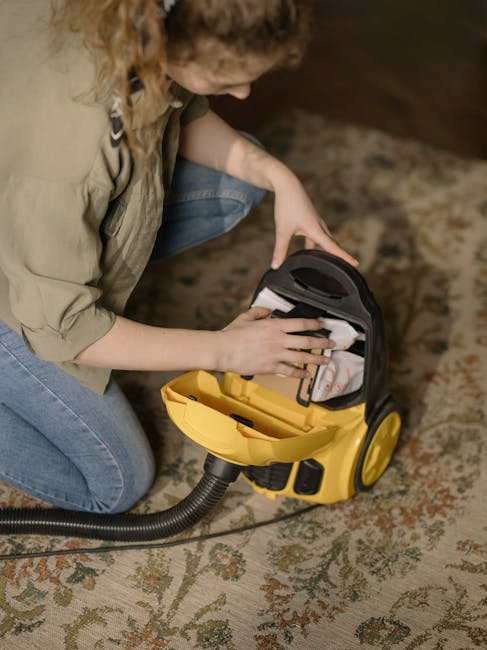
- Floor and fabric care - vacuuming, carpet treatment, upholstery attention, and careful moisture control.
- Final inspection - checking missed spots, streaks, residue, and anything that needs a second pass.
For older homes, the most important part is restraint. Period materials can be porous, delicate, or already aged. A skilled cleaner knows when to use less water, a neutral product, or a softer method. That is not being cautious for the sake of it. It is just smart.
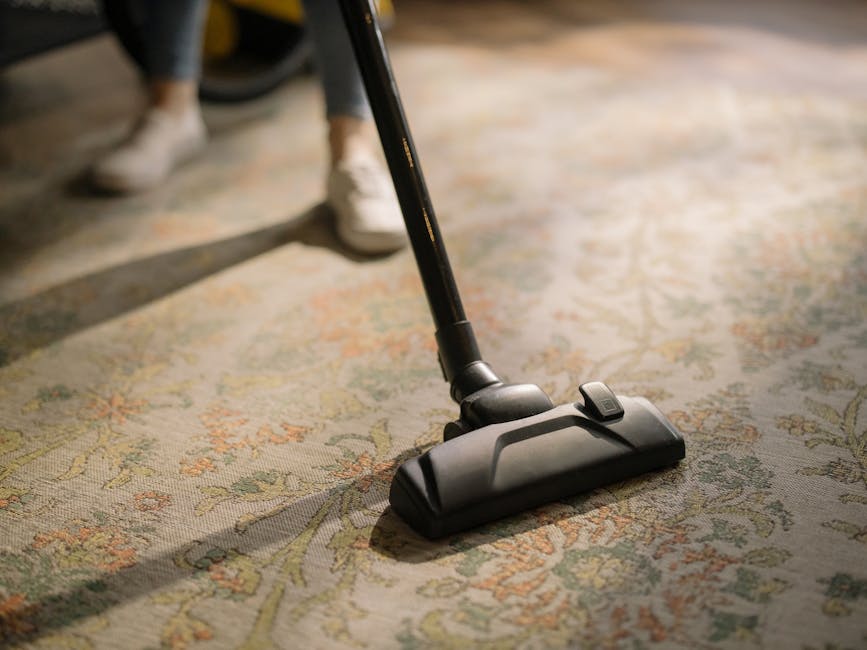
If carpets or sofas are part of the job, it is worth looking at specialist support such as carpet cleaning in Lambeth and upholstery cleaning in Lambeth, especially where fabric has absorbed years of everyday use.
Key Benefits and Practical Advantages
The benefits of deep cleaning go beyond surface shine. In period homes near Lambeth Palace, the gains are often about comfort, preservation, and peace of mind.
- Better presentation: Rooms feel lighter, fresher, and more cared for. That counts whether you live there yourself or are showing the property to buyers or tenants.
- Cleaner hard-to-reach areas: The top of cupboards, behind radiators, window tracks, and cornices often make the biggest visual difference once cleaned.
- Reduced build-up: Dust, grease, and grime are easier to manage when removed properly rather than layered over time.
- More suitable care for older materials: With the right products and techniques, you lower the risk of dulling finishes or causing unnecessary wear.
- Improved indoor feel: A deep-cleaned room often smells and feels better. Not artificially scented, just cleaner. You notice it when you walk in.
There is also a practical lifestyle benefit. If you work long hours, commute, or juggle family life, a deep clean can restore order faster than trying to chip away at it in bits and pieces. Lets face it, most of us do not have the energy to scrub every nook in a Victorian hallway on a Sunday afternoon.
For landlords and property managers, deep cleaning can support better tenant experience and smoother handovers. If that is part of your needs, take a look at domestic cleaning in Lambeth and the broader services overview to see how the work can be structured.
Who This Is For and When It Makes Sense
This kind of cleaning is particularly useful for people living in or managing older properties close to the Palace and the surrounding SE1 streets. But the reasons vary.
- Homeowners who want to keep a period property looking its best without damaging original features.
- Landlords who need a thorough reset between occupiers, especially after long tenancies or busy rental periods.
- Tenants aiming to leave a property in better condition before an inspection or move-out.
- Buyers who want to freshen an older home before moving furniture in.
- Sellers who know a clean, bright home simply photographs better.
- Busy households where normal cleaning has become reactive rather than proper upkeep.
It tends to make sense after renovations too. Even a careful builder leaves dust in joints, frames, and hidden edges. Fine dust in a period home can travel farther than people expect. Open one sash window and it seems to go everywhere. Annoying, but normal.
If you are in the middle of property decisions as well as cleaning decisions, you might find these local articles useful: Lambeth property purchase steps and purchasing real estate in Lambeth wisely.
Step-by-Step Guidance
Here is a sensible way to approach deep cleaning in a period home. Not every job needs exactly the same order, but this is a strong practical framework.
- Assess the property first. Identify original features, fragile finishes, stained areas, and rooms needing extra attention. A quick walk-through saves trouble later.
- Declutter before cleaning starts. Remove loose items, paperwork, breakables, and anything covering the surfaces you want cleaned properly.
- Work from the top down. Dust settles downward, so start with ceilings, light fittings, coving, curtain poles, and tall furniture.
- Treat each material correctly. Use the right cleaner, cloth, and moisture level. Old wood and natural stone deserve caution.
- Focus on hidden problem areas. Door tops, skirting boards, behind toilets, under beds, inside cupboards, and around vents often hold the worst build-up.
- Handle fabrics properly. Cushions, curtains, rugs, and mattresses should be cleaned with methods suited to the fibre and condition.
- Clean kitchens and bathrooms last if they are heavily used. These areas often need a second pass for limescale, soap scum, and grease.
- Inspect and finish. Check the property in daylight if possible. Morning or late-afternoon light often reveals streaks and missed dust that indoor lighting hides.
If you are arranging the work professionally, ask how the cleaner handles access, fragile surfaces, and any special concerns. For example, are they careful with antique mirrors, old brass handles, or painted wooden shutters? Those small questions tell you a lot.
Expert Tips for Better Results
Small choices make a surprisingly big difference in period homes. Here are the habits that usually separate a decent result from a really good one.
- Test products first. Even a gentle cleaner can affect old paint or delicate finishes. Always test in an inconspicuous spot.
- Use less moisture than you think. This matters on old wood, plaster, and some upholstered items. Too much water can linger where you cannot see it.
- Open windows where practical. Good airflow helps drying and keeps the home from feeling damp after cleaning.
- Pay attention to edges and thresholds. Dirt collects where one material meets another. These tiny boundary lines often reveal the biggest before-and-after contrast.
- Choose non-abrasive methods first. Gentle agitation, microfibre, and a suitable neutral cleaner often outperform harsh scrubbing.
- Ask for room-by-room accountability. It sounds simple, but it helps avoid the classic "we cleaned the whole place" issue, which sometimes means a few corners were missed. Happens all the time, to be fair.
A useful mindset is this: clean for preservation, not just appearance. Older homes often stay attractive because someone has been sensible about what not to scrub away.
Common Mistakes to Avoid
People often mean well and still make avoidable mistakes. Period properties are particularly unforgiving here.
- Using one product for everything. A single spray may be handy, but it is rarely the right answer for every surface in an older home.
- Over-wetting carpets or upholstery. Excess moisture can lead to slow drying, musty smells, or damage to padding and backing.
- Ignoring original materials. Painted wood, natural stone, brass, and heritage plaster do not all respond the same way to cleaning chemicals.
- Cleaning in the wrong order. If you mop before dusting shelves and fittings, you may end up redoing the floor. Bit frustrating.
- Skipping hidden areas. Dust behind radiators or grime behind taps is very common in older homes and easy to miss.
- Choosing speed over care. Fast is not always efficient if it creates a repair problem later.
One practical rule: if you would hesitate to use a product on your own original woodwork, stop and test first. That pause can save a lot of bother.
Tools, Resources and Recommendations
The right toolkit depends on the property, but there are a few basics that matter for deep cleaning near Lambeth Palace SE1.
| Tool or Resource | Why It Helps | Best Used For |
|---|---|---|
| Microfibre cloths | Trap dust well without aggressive abrasion | Woodwork, shelving, mirrors, and most hard surfaces |
| Vacuum with attachments | Reaches corners, curtains, upholstery seams, and skirting lines | Carpets, stairs, cushions, vents |
| Neutral pH cleaner | Usually safer for many delicate finishes than harsh multipurpose sprays | Painted surfaces, some stone, general wipe-downs |
| Soft detailing brushes | Lift dust from mouldings and fittings without scratching | Corners, trims, switches, vents |
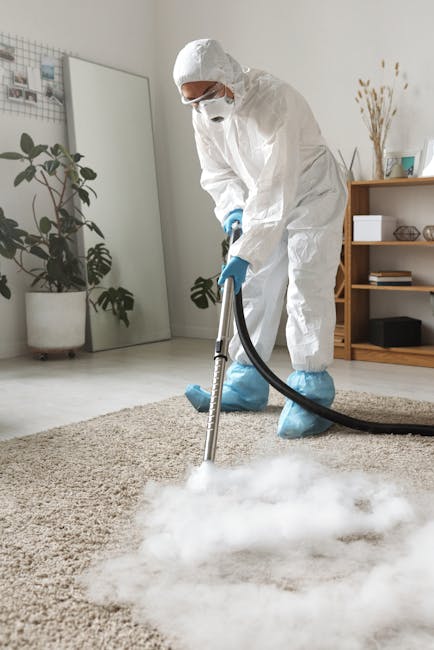
| Steam or specialist fabric methods | Useful when suited to the material and condition | Selected upholstery, some tile work, targeted sanitising |
For many households, the simplest path is to combine general cleaning with specialist support for carpets or soft furnishings. That way the job is balanced rather than overcomplicated. If you want to understand more about service choice and practical expectations, the about us page and customer reviews can help you judge whether a provider feels credible and well-organised.
You can also check pricing and quotes before booking, and review payment and security if you prefer to understand how bookings are handled. Small thing, but reassuring.
Law, Compliance, Standards, or Best Practice
Cleaning itself is not usually a heavily regulated activity in the same way as some trades, but there are still sensible UK best practices worth respecting. For period homes, the main concerns are safety, property protection, product handling, and transparency.
A professional cleaner should follow reasonable health and safety measures, use products appropriately, and be mindful of any risks related to slips, electrical equipment, ventilation, and fragile surfaces. That includes care around old fixtures where age or previous work may have made things less stable than they look.
For customers, the practical questions are straightforward:
- Are products suitable for the surfaces in your home?
- Will the team use protective equipment where needed?
- How are fragile or valuable items handled?
- Is insurance in place for accidents or damage?
- Are terms, complaints procedures, and expectations clearly explained?
Those are not box-ticking questions. They protect you. If you want a sense of how a company frames these matters, review the site's health and safety policy, insurance and safety information, and terms and conditions.
There is also a general trust dimension. Good providers should be transparent about service scope, data handling, and complaints pathways. If you are comparing options, even pages like the complaints procedure, privacy policy, and accessibility statement can tell you a lot about how seriously a business treats its responsibilities. Sounds dry, but it matters.
Options, Methods, or Comparison Table
Not every property needs the same kind of clean. In a period home, the right approach depends on condition, materials, and timing.
| Approach | Best For | Strengths | Watch Outs |
|---|---|---|---|
| General deep cleaning | Homes needing a thorough reset of all rooms | Broad coverage, strong visual improvement | May not fully address specialist fabric or stain issues |
| Deep clean plus carpet treatment | Homes with tired flooring or visible traffic marks | Improves freshness and room appearance significantly | Needs correct drying time and fibre-safe methods |
| Deep clean plus upholstery care | Living rooms and bedrooms with used sofas, chairs, or mattresses | Helpful for odour control and overall comfort | Not all fabrics can be treated the same way |
| Move-out or pre-sale clean | Properties changing hands | Targets presentation, corners, and overlooked build-up | Timing needs to be coordinated with removals or viewings |
If the home has been used for events or busy family gatherings, upholstery and carpet work can make the biggest visual jump. If you need help deciding what to prioritise, the pages for domestic cleaning and house cleaning are a good starting point. For business premises with heritage features nearby, office cleaning in Lambeth may also be relevant.
Case Study or Real-World Example
Here is a realistic example. Imagine a three-storey period terrace a short walk from Lambeth Palace. The property has original wood skirting, a narrow hallway, an older kitchen, and a sitting room with a heavy sofa and a patterned carpet. The owners had been keeping on top of weekly tasks, but the place still felt dull. Corners looked dusty, the sofa had a faint stale note, and the kitchen tiles had a film of grease near the cooker.
The clean started with a careful walk-through. The most fragile points were the painted woodwork, a few older fittings, and the carpeted staircase. The team began upstairs, dusting shelves, light fittings, and window frames before moving down through the bedrooms. In the sitting room, the upholstery was treated separately from the general dusting so the moisture level could be controlled. The kitchen took longer than expected - as kitchens do - because the grease on the cupboard edges needed a second pass.
What made the biggest difference was not one dramatic action. It was the accumulation of detail: skirting boards, radiators, door frames, and the carpet edges, all cleaned properly. By the end, the house felt brighter and quieter, if that makes sense. Not silent, obviously. Just calmer.
This sort of result is common in period homes. They rarely need one huge intervention; they need the right kind of attention in the right places.
Practical Checklist
Use this checklist before booking or starting a deep clean in a period home near Lambeth Palace SE1.
- Identify original or delicate features that need extra care
- Decide whether carpets, upholstery, or mattresses need specialist treatment
- Remove clutter, valuables, and fragile objects from surfaces
- Note any stains, odours, damp patches, or damaged areas in advance
- Confirm which products are safe for wood, stone, paint, and fabric
- Check whether ventilation and drying time are built into the plan
- Ask how the provider handles insurance, safety, and complaints
- Book at a time when the property can be left undisturbed afterwards
- Inspect the results in good light once the clean is complete
- Set a follow-up routine so the home stays manageable, not overwhelming
Expert summary: the best deep cleaning for a period home is careful, structured, and surface-aware. It should lift grime without stripping character. That balance is the whole game, really.
Conclusion
Deep cleaning near Lambeth Palace SE1 for period homes is about more than making a property look tidy for a day or two. Done properly, it helps preserve original materials, improves everyday comfort, and restores the kind of freshness older homes can lose when dust and wear build up quietly over time.
The key is choosing a method that respects the property. Period features need judgement. Carpets and upholstery may need specialist attention. Kitchens and bathrooms often need the most patience. And if you are comparing providers, a trustworthy service should be clear about safety, pricing, and how they handle the details that matter to you.
If you are ready to take the next step, explore the relevant service pages, check the practical guidance, and see what feels right for your home. A good deep clean should leave the house looking better, yes - but also feeling lighter, easier to live in, and properly cared for.
Get a free quote today and see how much you can save.
And if you are looking ahead to a calmer, cleaner home near the Palace, that is a pretty good place to start.